Jun 13, 2011

Is Fashion Your Passion? Make Fashion Your Career

Do you live and breathe fashion? Would a career in the fashion industry suit your style and aspirations?
For fashion enthusiasts, a career in fashion might be the ideal job; an opportunity to influence society and change the way a nation dresses for the day and evening. Read on to see which branch of the fashion industry might be right for you.
Fashion careers are essentially of two types - those in fashion design and those in the sales and marketing side of the industry (fashion merchandising). You can further customize your specialty by choosing to focus on a particular style or kind of garment.

Other fashion niche opportunities include costume design for TV, film and theater productions; personal stylist positions with high-end department stores and private clients, fashion photography; and modeling work for everything from newspapers ads to strutting the catwalk in Milan or Paris.
But to turn your passion for fashion into a lucrative career you need more than just the ideas and enthusiasm; you need technical and industry expertise to turn your creative energies into saleable apparel.
One thing fashion careers share, aside from being a rewarding outlet for your creative talents, is their starting point - fashion school. A fashion design education should prepare you for a career in the fashion industry, even if you find yourself working in a supporting role as you start out in the business.
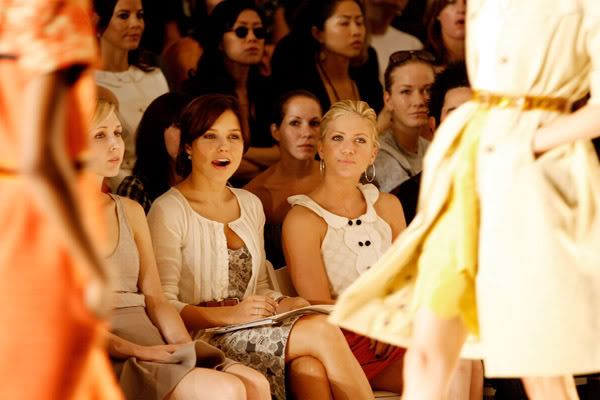
Entry to a fashion career starts with an innate ability to create unique and functional clothing styles and effectively communicate them on paper.
If you decide to study for a career in fashion, you'll learn to design clothing and accessories or the fabrics and materials they're made of.
It is essential that anyone interested in a career in the fashion sector should attend an accredited fashion schooling program which should address the industry fundamentals including design, drawing, textiles, sewing, and manufacturing. This education will be the core of your training on which you can lay the groundwork for experience.
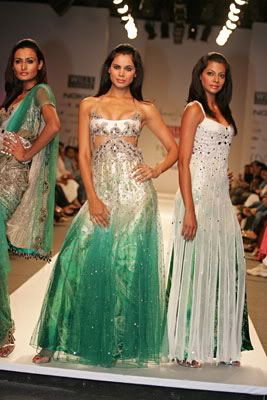
Experience is ultimately the key.
Following school (or even during), it's imperative that you start with an internship or apprenticeship with an established design house. Building experience such as this can often jump start your fashion career and allow you to begin working on independent projects.
For those who have the ability, drive, and determination, a fashion career can be an amazing journey filled with success, self-satisfaction and great clothes. But don't let it ever be said that a fashion career does not require a significant amount of hard work and a vast amount of skill.
CONCLUSION
A future in fashion could take many different forms, reflecting the various aspects of the industry.
No matter what area or areas you're interested in, there is a fashion career to suit your tastes.
To get your future career off the ground, it helps to decide at the outset which of the many fashion industry jobs you want to attain.
A starting point could be to study some of the articles about training and careers in fashion collected at the author's website. Your fashion career could be just a few mouse clicks away.
Author - Steven Henderson (for bio and contact data see http://StevenHenderson.com) publishes the independent "Fashion School" information website at :
Constructive comments are most welcome and may be submitted at the "Fashion School" website.
Designers - The Gods Of Fashion Industry

Fashion designers help create the billions of clothing articles, shoes, and accessories purchased every year by consumers. Fashion designers working for apparel wholesalers or manufacturers create designs for the mass market. Fashion designers are the people who create the elegant, whimsical, fun, silly, and often expensive clothes we see parading down runways twice a year. Fashion designers design and create clothing and accessories for men, women and children. Some high-fashion designers are self-employed and design for individual clients. Other high-fashion designers cater to specialty stores or high-fashion department stores.
Fashion
Fashion design is the applied art dedicated to the design of clothing and lifestyle accessories created within the cultural and social influences of a specific time. Fashion designers have brought about a storm in this glamour world with their commendably fabulous variety. Fashion industry has always welcomed new talent giving rise to the budding stars of tomorrow. While all articles of clothing from any time period are studied by academics as costume design, only clothing created after 1858 could be considered as fashion design.
Before the former draper set up his maison couture (fashion house) in Paris, clothing design and creation was handled by largely anonymous seamstresses, and high fashion descended from that worn at royal courts. Throughout the early 20th century, practically all high fashion originated in Paris, and to a lesser extent London. At this time in fashion history the division between haute couture and ready-to-wear was not sharply defined.

Designers
Designers know they have this power, and will continue to use it to influence global fashions throughout the eras. These designers create original garments, as well as those that follow established fashion trends. Most fashion designers, however, work for apparel manufacturers, creating designs of men's, women's, and children's fashions for the mass market. Designer brands which have a 'name' as their brand such as Calvin Klein or Ralph Lauren are likely to be designed by a team of individual designers under the direction of a designer director. Thus, the tradition of designers sketching out garment designs instead of presenting completed garments on models to customers began as an economy.
Popular Western styles were adopted all over the world, and many designers from outside of the West had a profound impact on fashion. Currently, modern fashion has seen a reference to technology such as designers Hussein Chalayan and Miuccia Prada who have introduced industrial textiles and modern technology into their fall collections.
Mass market designers generally adapt the trends set by the famous names in fashion. Increasingly, many modern high-end designers are now beginning to turn to mass market retailers to produce lower-priced merchandise, and to broaden their customer base. Perhaps most importantly, designers use their imaginations to come up with new ideas.
There are a number of well known fashion design schools worldwide. Most fashion design courses last for three years. As well as teaching students about the artistic and technical side of the subject, some courses include a year working in the fashion industry, to give students a taste of commercial fashion design. Others offer the chance to visit fashion houses abroad.
Trishia Lopez is a successful Webmaster and publisher of www.TheFashionGurus.com. She provides more information about Fashion and fashion issues that you can research in your pajamas on her website.
Related Posts Plugin for WordPress, Blogger...